

Finally getting back at it after being sick for weeks. Not really sure what I had, but I don’t ever want it again.
Anyway, I thought I would share my most recent seminary discussion post to try to get things going again:
As a CPA with an engineering background, I am drawn to Luke and John. The CPA side of me likes Luke’s “account” of carefully investigated third party confirmations. The engineering side of me likes John’s presentation of the Word made flesh, Jesus as “one”, and Jesus as water and light.
Luke captures the humanity of Jesus through a historical account, presenting him as the savior of all and the seeker of the lost (Luke 19:10 NASB95). He captures the parables and stories of Jesus as he travels from Galilee to Jerusalem toward his death on the cross.
John captures the divinity of Jesus through theology, presenting him as the incarnate Word made flesh (John 1:14 NASB95). He captures long discourses of Jesus as He travels back and forth to various Feast and Festivals.
To fully appreciate these gospels, it is necessary to step into the historical, cultural and religious background of them:
As Luke shows Jesus’ humanity and His love for the lost, he captures Jesus’ interaction with the outsiders, the poor, women, and Samaritans. The design of the temple was a series of courtyards of increasing exclusivity: the court of the gentiles, the court of the Jewish women, the court of the Jewish men, the court of the priests, the Holy Place, and the Holy of Holies. Luke shows the inclusiveness of Jesus, breaking the social boundaries of temple worship.
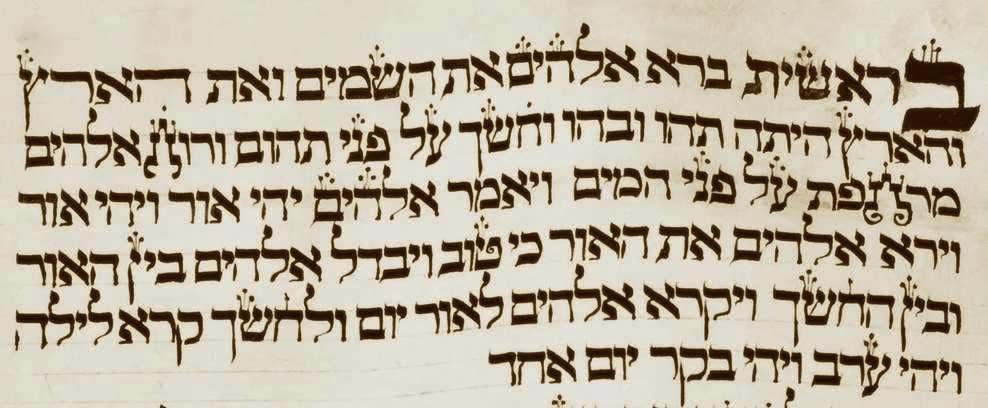
As John captures Jesus’ divinity, he shows how the feast, festivals, and the temple all point to Jesus. John uses seven miracles and seven “I am” statements. The I am statements directly pointed to how God revealed himself to Moses in the burning bush (and also to the 7 color bands in pure light). Additionally, the scribal marks (tagin) on the ancient scrolls were called crowns and the “tittle” a little thorn. Jesus was the Word made flesh down to the crown of thorns!
As we look at the four gospels, the seeming contradictions present challenges, but we have to remember the purpose and audience of each. The variances actually increase reliability as they indicate independent attestation instead of a made up story with the exact same details (a red flag for fraud). The multiple perspectives give us a depth of both the humanity and divinity of Jesus. Having studied numeral systems (binary, octal, decimal, hexadecimal) I have a great appreciation for “1,” as it is the same in all systems – it does not change. It is the unit of measure and conversion. Jesus prayed that we would be “one” as He and the Father are “one.”
 Digital Footprint Disciples
Leave a comment